
Mediation
Mediation is an organized, structured process in which an impartial third person helps the parties to a dispute resolve their conflict by asking questions, exploring the causes of the conflict, supporting the generation of multiple solutions, and helping each side see the other's perspective.
The mediator helps guide an organized conversation, helps uncover the sources of the dispute and the parties' needs, and then the various options for resolution.

Conflicts are part of our lives
Both at work and at home, we sometimes disagree with someone. Sometimes we manage to simply talk it out, but very often the dispute intensifies. This happens for various reasons.
Some people prefer strategies of avoidance or "sweeping it under the rug," of accommodating. It may then seem the conflict has been resolved, but in reality the tension is still there, frustration builds, and at some point even a small thing can trigger an explosion.
Others escalate conflicts, blurting out what they think and feel, sticking to their position regardless of what the other side expresses.
Sometimes a compromise is reached — but even then, both sides usually give up something important, and in the end no one is satisfied. A bitter aftertaste remains.
I believe that at the root of every conflict lie different perspectives arising from different needs. We get the sense that the other person doesn't understand us and, worse, doesn't want to understand us. Yet each of us is enclosed within our own world of needs and experiences, which shapes the way we perceive a given situation.
This attitude is captured by the idea of Nonviolent Communication, which is very close to me and which I draw on in my work.
The curiosity of conflict
I believe that every conflict can lead to interesting insights and surprising solutions, as long as both sides are willing to get to know and understand each other. Sometimes a conflict is at a stage where that isn't easy. That's when it's worth asking a mediator for help.
In my work, I have helped both teams and their individual members reach an understanding.
Conflict doesn't have to be frightening. It can be the start of interesting insights, innovative ideas, and sometimes we even discover an unfamiliar side of our colleagues or loved ones.
It's okay that we don't always manage to find our way to agreement on our own. Conflicts that have gone on for a long time reach a stage where it's hard to overcome them and see the other side's true intentions. That's exactly when it's worth seeking support. A mediator is simply someone who stands alongside you, is impartial, and helps surface the needs and intentions of each side of the conflict.
What does mediation look like?
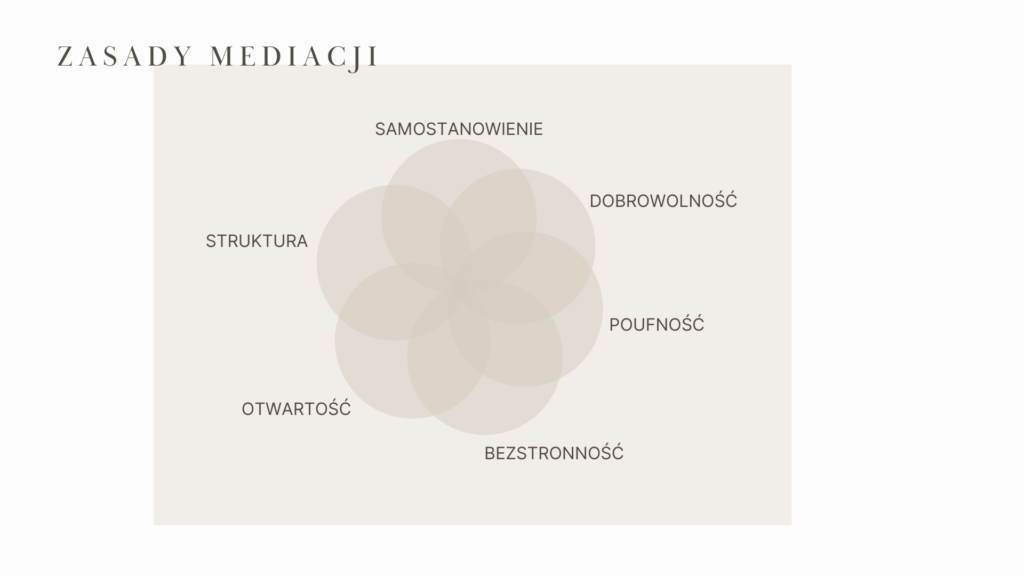
The mediation process is, above all, voluntary — both parties must want to talk and agree to mediation. The mediator acts as a guide who helps the parties understand each other. It is not the mediator who decides how the dispute should be resolved — the parties choose the solution themselves. Thanks to its structure and the support of an impartial third party, mediation allows the parties to see the conflict from a different angle, let their emotions cool, and calmly weigh the various options available.